


An extreme bioinput platform for soil–plant health

Nunatak’s platform starts from one simple observation: plants that survive in extreme conditions do so thanks to powerful symbiotic relationships with their microbiomes. We decode those relationships in nature, and turn them into bioinputs that can be used in real-world agriculture and land restoration.

How our platform works


Explore
We sample and characterize microbiomes from extreme environments where plants thrive under stress.
.svg)
Predict
We model plant–microbiome interactions to predict which consortia will perform best under real-world conditions.
.png)
.png)

Design
We design stackable biological products compatible with existing agricultural practices.

Deploy
We validate in the field, de-risk development and turn prototypes into scalable biosolutions.
.png)
.png)

Protect
We secure intellectual property and industrial secrets, bringing validated biological solutions to market.
Our scope


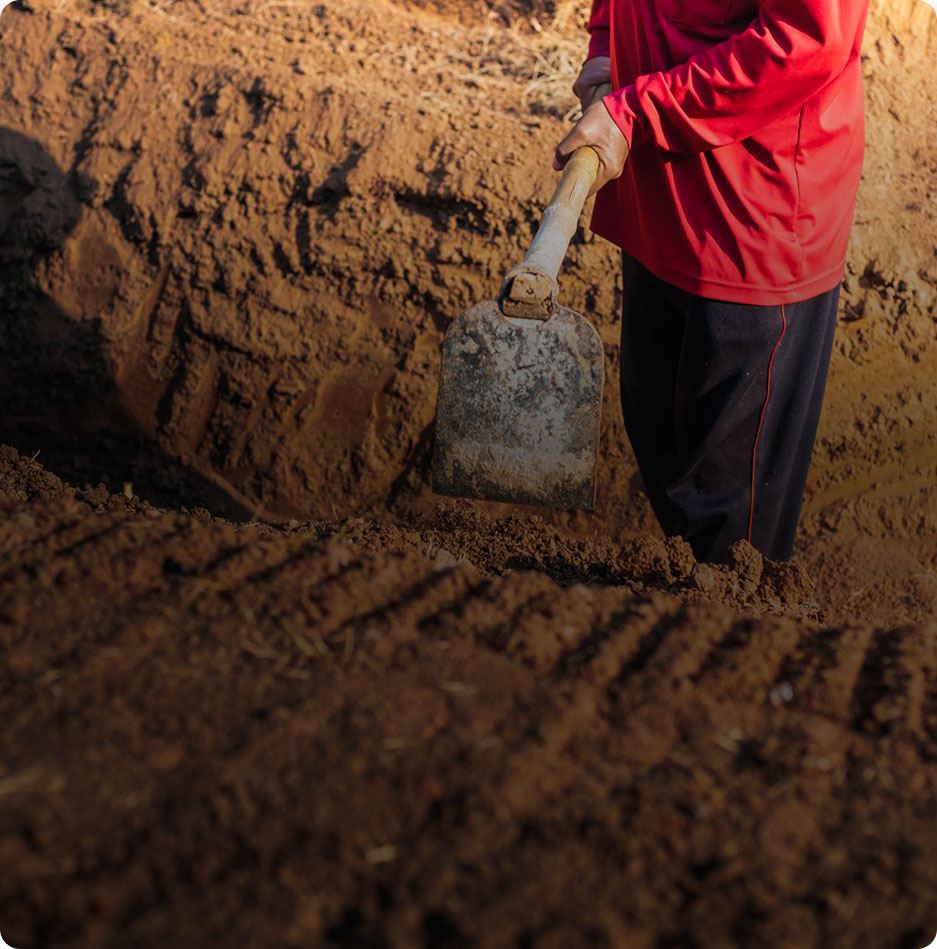

Soils are under pressure.
Microbes are part of the answer.
1.01
Our platform is built to reduce uncertainty in bioinput development. By grounding each product in extreme microbiomes, data-driven prediction and rigorous field validation, we can move faster from discovery to deployment while keeping performance at the center.
1.02
The same approach that created YAMANA can be extended to new crops, geographies and restoration projects with a fraction of the cost and risk of starting from scratch each time.

